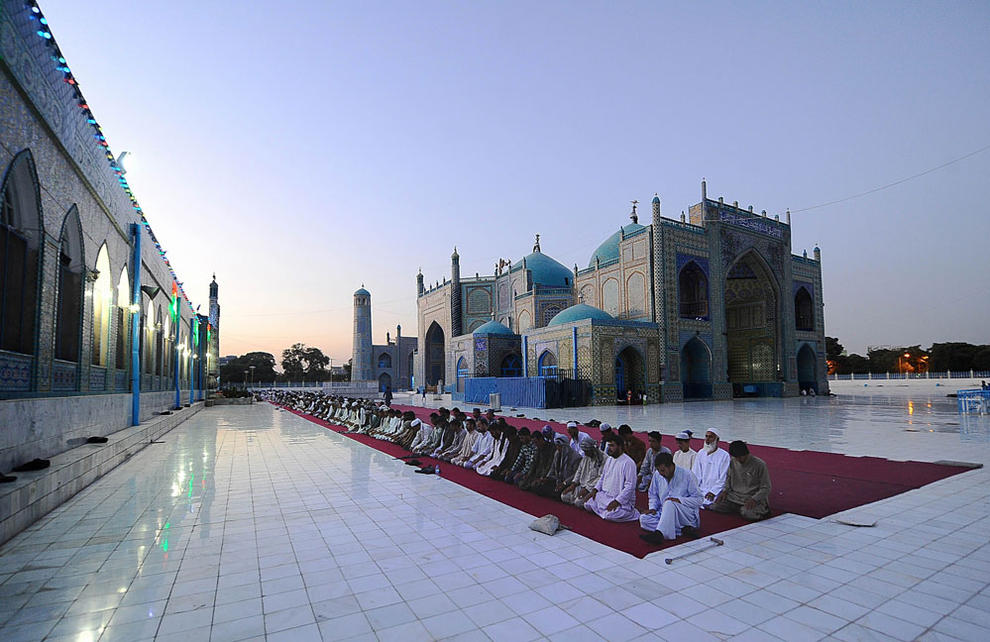
Ramadan is a significant month for Muslims and non-Muslims alike. Everyone from all walks of life notice a change in Qatar’s daily activities, but not everyone may understand its importance to the Muslim culture.
Three Doha women share their insights on what Ramadan means to their families and social circles.
Ramadan is beyond the act of fasting. The five pillars of Islam include the importance of the purification of the soul, turn to God, and practice sacrifice. It is abstaining not just from food but from negativity in actions, words, and thoughts. It is also about relationships with the family and the community.
A Qatari named Reem says that Ramadan is a spiritual journey. It also allows her to bond with her family and spend more meaningful time with them.
According to her, “It’s such a family affair and a moment of bonding for families as you’re in the kitchen together and at the dining table together. It’s exhausting, but very special and my favourite time of the year.”
Hend Zainal is a working mother and wife, and the holy month is a great opportunity to refocus and see things from a different perspective. Ramadan gives her the chance for a spiritual recharge. Normally, her life is so hectic and busy that she appreciates the chance to reset her priorities and reflect on her everyday life. She also gets to catch up with relatives whom she barely sees outside Ramadan.
Fasting
Fasting is a Ramadan tradition that exempts young children, pregnant women, the elderly and the ill. But Hend says that at seven years old, she had her first experience of fasting in a friendly competition with her brother. “I wasn’t obliged to but I remember going through recess and my friends started to eat a burger in front of me and it was such torture. Needless to say I broke my fast that day.”
According to Amaney Neihoum, a Libyan expat residing in Qatar for several years with family, Ramadan in the U.K., Egypt, Libya, and Qatar is each a different experience. It was easier in the U.K. because the sunset was 4:30pm.
Breaking Fast
Fasting all day long gives food a significant role and brings people together. Families try to make a conscious effort in eating healthily and not overeating during Ramadan.Generally, after breaking the fast, families tend to eat together thus giving rise to a variety of best ramadan buffets in doha by the local hotels and restaurants.
A variety of salads and side dishes is served, which is important because “if you’ve been fasting all day, these side dishes are lighter and more manageable,” says Amaney.
Water is crucial, and drinking enough each night before fasting is important. It is advised to drink three to five litres of water to hydrate the body before fasting.
Charity
It is a Ramadan custom to share food among their neighbours or to people in need. It is a way of making up for the days when they are not able to fast.
Exchanging of food can be a way of bringing families together. “There are many expat families and Qatari families who are struggling; and the good thing about Qatar is we all know each other so we keep everyone in mind and help,“ according to Reem. “This happens in so many Qatari households, where you can come and be fed without anything being expected in return.”
Aside from food, Muslims also give a part of their earnings to charities or to people who are in need. Hend says, “The whole idea is to put yourself in the shoes of someone less fortunate.”
Garangao
Garangao is like “a Muslim Halloween party” which celebrates children who have been able to memorize 15 chapters of the Qur’an. Others also say it is honors the Prophet Mohammed’s grandson, Hassan. This children’s festival is celebrated mostly in the Gulf, where children are dressed up in traditional Qatari clothes. Traditional songs are sung and kids carry a pouch to collect sweet treats around the neighborhood.

Ramadan for Non-Muslims
Hotel Iftars are available for non-Muslims who are interested in the celebration of Ramadan. Buffet deals in doha are designed for expats, and Qataris prefer home meals with the family. Reem declares that fasting “is exhausting and all I want to do is go home and break fast, whilst if you’re out of the house you have to make more effort and have to be alert.”
Hind also assents. “What you would see in a hotel Ramadan tent is very different to what you would see in a Qatari home. It’s more family orientated at home and more geared towards refraining from overdoing, “ she says. “In hotels they are obliged to put more and more of everything and there’s typically entertainment.”


